Scientific Advisory Board
The Mission
The Advisory Board assists the Foundation Board for the educational questions linked with the activities of the Foundation. It makes recommendations to the Executive Committee concerning the allocation of funds and provides the general follow-up of the educational work.
The Members
Alia Benkahla

Bio
Alia Benkahla (PhD) is a professor at the Pasteur Institute of Tunis since January 2005, where she initiated a research group in bioinformatics and biomathematics, which has since become the Laboratory of Bioinformatics, Biomathematics and Biostatistics (BIMS).
Prof. Benkhala is the Head of BIMS. Her research aims to understand the processes of regulation, interaction, and signalling mechanisms activated in response to diseases and more recently, on clinical informatics. Prof. Benkhala invested fifteen years in capacity-building in the field of Bioinformatics in her country by: training students, co-organizing international events in Africa, and generating funding for Bioinformatics focused on Tunisia’s and Africa’s health issues. She coordinated the writing of the first survey about bioinformatics development in Africa and co-organized the first African Conference of Bioinformatics in 2007. She served as President of the African Society of Bioinformatics and Computational Biology (ASBCB) until 2019 and co-chaired the H3Africa Phenotype Harmonization Working Group and was a core member in the H3Africa Data & Biospecimen Access Committee Working Group. She also serves on the American Council on Education- Global Council. Prof. Benkhala co-authored 25 peer- reviewed bioinformatics publications, including two Nature and two Science papers.
Institut Pasteur de Tunis, Tunis, Tunisia
Murielle Bochud

Bio
Murielle Bochud is a board-certified specialist in public health and prevention with a PhD in genetic epidemiology (Case University, OH, USA). Since 2015, she has been a full professor at the Faculty of Biology and Medicine (FBM). From August 2017 to December 2018, she was head of department and director of the University Institute of Social and Preventive Medicine (IUMSP, approximately 170 staff members), one of the five university institutes of public health in Switzerland. The IUMSP became the Department of Epidemiology and Health Systems (DESS) with the creation of Unisanté, a university center for general medicine and public health, on January 1, 2019. Since that date, Murielle Bochud has been head of the DESS. Her research focuses on the epidemiology of non-communicable diseases, including their genetic and nutritional determinants, with involvement in population cohorts, the national nutrition surveys menuCH and menuCH-kids, and national salt surveys. She teaches public health and epidemiology at the Faculty of Biology and Medicine of the University of Lausanne. She is the author of over 300 scientific publications in peer-reviewed journals.
Since September 2025, she has also been the academic co-director of the Swiss School of Public Health Plus (SSPH+).
Marie-Christine Broillet

Bio
Marie-Christine Broillet received her PhD in 1993 from the University of Lausanne for research on renal K channels performed with Prof. Jean-Daniel Horisberger. In 1998, after a post-doctoral training with Prof. Stuart Firestein at Yale and Columbia University (New York) where she studied olfactory cyclic nucleotide-gated channels, she joined the Department of Pharmacology and Toxicology of the UNIL to create and lead her own research group working on ion channels and membrane receptors in olfactory neurons. She now focuses her scientific interests on the chemical danger signals present in the environment, their sensory detection by the nose, their neuronal pathways of activation and their social communication leading to specific behaviors fundamental for survival. In parallel, she is very involved in teaching to different audiences with different modalities. She is the Head of the Master of Science in Medical Biology (MSc BM) of the UNIL as well as the responsible of the training of laboratory technicians by her chairmanship position at the “Association vaudoise pour les métiers de laboratoire” (AVML).
Enrico Chavez

Bio
Enrico Chavez is a distinguished Senior Statistician and Mathematician with over 20 years of experience translating complex theoretical frameworks into actionable, data-driven solutions. Specializing in high-dimensional data analysis and stochastic modeling, he bridges the gap between abstract mathematics and practical industrial application. His core expertise are: Advanced Analytics: Expertise in Bayesian inference, non-linear dynamics, and predictive modelling, Algorithmic Design: Developing robust optimization protocols for large-scale computational efficiency, Strategic Leadership: Leading cross-functional teams to refine risk assessment and data integrity.
Professional Impact: Currently serving as a Senior Statistician, Dr. Chavez focuses on the intersection of computational topology and machine learning. His work is recognized for its ability to simplify intricate statistical phenomena into clear strategic insights for executive stakeholders.
Recognition: A widely published researcher in journals such as The Annals of Statistics, Dr. Chavez is also a frequent keynote speaker and a consultant for governmental agencies. He remains dedicated to the belief that mathematical precision is the key to uncovering the narratives hidden within complex global datasets.
Pierre Cosson

Bio
Dr. Pierre Cosson obtained a Ph.D in Dr. J. Davoust´s laboratory, where he was working on the “Mechanisms of formation of intracellular transport vesicles”.
1990 he joined as an EMBO a post-doctoral fellow the laboratory of Dr. R. Klausner’s laboratory at the National Institute of Health, Washington, USA working on the “Transmembrane determinants for assembly and intracellular transport”.
In 1992 he moved as a Member to the Basel Institute for Immunology (Basel, Switzerland) still working the « Mechanisms of membrane sorting in the secretory pathway ». 1997 he moved as a Group leader to the University of Geneva where he was appointed in 2007 Full professor working on « Phagocytosis and host-pathogen interactions”.
He has created and runs the new Bachelor of Biomedical Science. He also created the recombinant antibody project, which provides animal-free high-quality antibodies to the scientific community.
Most recently he opened the ABCD database listing all available recombinant antibodies (>10’000 entries) and created a new open-access scientific journal (Antibody Reports) dedicated to the characterization of recombinant antibodies.
Fiona Ecarnot
Bio
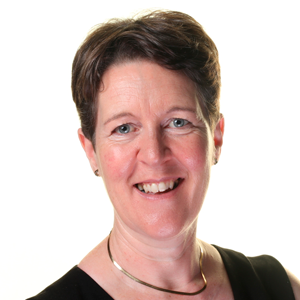
Originally from Dublin, Ireland, Fiona Ecarnot works as a research engineer at the Cardiology Department of the University Hospital of Besançon, France. She received an MSc in biostatistics and epidemiology from the University of Franche-Comté, Besançon, and obtained a PhD at the same university in 2019 in the field of cardiovascular sciences, focussing on the use of qualitative research methods in the field of cardiology. She qualified as a director of doctoral research (Habilitation à Diriger les Recherches, HDR) in 2024. Her research areas include vaccines, geriatrics and gerontology, ethics in healthcare, palliative care, and end-of- life issues. She has authored or co-authored over 100 articles in peer-reviewed journals, plus numerous book chapters.
Tamas Fülöp

Bio
Dr. Tamas Fülöp is a Full Professor of Medicine at the University of Sherbrooke and a leading figure in gerontology and immunology. With an MD from the University of Geneva and dual doctorates (PhD and DSc) in Immunology and Gerontology, his career has spanned over four decades across Europe, Japan, and Canada. He is a Fellow of both the Canadian Academy of Health Sciences and the American Gerontological Society, reflecting his international stature in the biology of aging.
As a clinician-scientist, Dr. Fülöp has fundamentally shifted the study of Alzheimer’s Disease (AD) from traditional models toward a focus on neuroinflammation and the « infection hypothesis. » His research posits that infections serve as the primary trigger for amyloid deposition, challenging the field to view amyloid-beta as an antimicrobial defense mechanism rather than a purely pathological byproduct.
His clinical leadership is equally significant; he headed the Sherbrooke Memory Clinic for over eight years and established a comprehensive registry of thousands of dementia patients. Currently, as Director of the Biopharmaceutical Research Unit, he oversees high-impact clinical trials exploring diverse interventions, ranging from the immune-modulatory effects of the microbiome to the cognitive benefits of ketogenic diets in patients with Mild Cognitive Impairment (MCI).
Dr. Fülöp’s contributions are also recognized through his editorial leadership as Editor-in-Chief of Gerontology and his extensive grant support from the CIHR, FRQS, and the Alzheimer’s Association. He has authored over 300 publications, bridging the gap between basic immunology and geriatric clinical practice to find disease-modifying treatments for neurodegeneration.
Jozsef Zoltan Kiss

Bio
Jozsef Zoltan KISS obtained his M.D degree at the Semmelweis University Medical School, Budapest, Hungary in 1979. He was a research associate at the Institute of Experimental Medicine, Hungarian Academy of Sciences, Budapest, Hungary from 1979 to1981, a Research associate at the Department of Anatomy, University of Iowa, College of Medicine, Iowa City, USA from 1981 to 1982, a Visiting associate in the Laboratory of Cell Biology, NIH, Bethesda, MD, USA from 1983 to1984, a Research associate at the Institute of Experimental Medicine, Hungarian Academy of Sciences, Budapest, Hungary from 1985 to 1986, a Visiting scientist, Rudolf Magnus Institute, University of Utrecht, Utrecht, The Netherlands in 1986.
In 1986, he joined the University of Geneva Medical School, first as a junior faculty member and in 2007 as a full professor, at the Department of Fundamental Neuroscience. He retired in 2018.
He was and still is interested in developmental mechanisms that are critical for neuronal migration and circuit formation in the cerebral cortex as well as the molecular control of neural progenitor migration with the aim to direct these cells to sites of injury to achieve structural repair.
Contact
e-mail: Jozsef.Kiss@unige.ch
Phone: +41 22 379 52 02
Address: UNIGE Medical School
Jean-Pierre Kraehenbuhl

Bio
Jean-Pierre Kraehenbuhl is emeritus Professor at the University of Lausanne, and was affiliated member of the Swiss Institute of Cancer Research (ISREC). He used to work on mucosal immunity and vaccinology. He was a co-founder of EuroVacc, a Foundation active in the development of HIV vaccines, He is a member of EMBO. He was the co- founder of OraVax, Inc, now part of Sanofi Pasteur. He was the Founder, with Michelle and Bernard Rossier of the HSeT Foundation in 2006.
Contact:
e-mail: Jean-Pierre.Kraehenbuhl@HSeT.org
Phone: +41 21 692 5856
Address: HSeT Foundation
c/o Center of Immunity and Infection (CIIL)
Chemin des Boveresses 155
CH-1066 Epalinges, Switzerland
Li Long

Bio
Li Long graduated in computer science from Jinan University and Pennsylvania State University. She worked on simulation software that’s used in design, analysis, real-time control and operator training on transmission pipelines in oil and gas industry. Later she worked on IT management software that monitors, controls and predicts IT services/operations/automation
She has worked on all major stages of software development process, from software design, development, quality control to life cycle management, using major hardware/software platforms, many programming languages, development tools, operating environments/resources.
In HSeT, she’s been working on migrating biomedical course contents to more modern Learning Management System (LMS) and Content Management System (CMS).
Wayne Lencer

Bio
Wayne I. Lencer obtained his MD degree from Boston University School of Medicine, USA in 1987. The title of his present position is Longwood Chair in Pediatrics at Harvard Medical School. He is also Director of Harvard Digestive Disease Center.
His laboratory studies the cell and molecular biology of polarized epithelial cells lining mucosal surfaces. The projects focus on how barrier epithelial cells interact with the lumenal and sub-epithelial microenvironment, and on the biology of bacterial toxin
pathogenesis and mucosal host defense.
In a longstanding and broadly enabling research program, he has discovered how some enteric bacterial toxins breech the intestinal epithelial barrier to enter host epithelial cells and induce toxicity. These toxins hijack the cellular and molecular mechanisms of retrograde membrane transport to move from the lumenal cell surface into the endoplasmic reticulum (ER), where they co-opt the mechanics of ER Associated Degradation (ERAD) to enter the cytosol; and where they activate the ER stress sensor
IRE1 to amplify their toxicity by inducing the unfolded protein response. We found the structure of the ceramide domain of the toxin’s GM1 glycosphingolipid receptor plays a decisive role in the trafficking of the toxin; and defined the structural motif in the
ceramide domain that explains this biology. The discovery may have clinical applications enabling intracellular delivery of peptide and protein biologics and their amplified biodistribution. In another project, his lab studies the cell and molecular biology of transcytosis by the MHC Class I-like IgG receptor FcRn. FcRn transports IgG across mucosal surfaces where it may function in immune surveillance and host defense. The transcytotic pathway across barrier epithelial cells provides a critical link between the outside and inside worlds of the gut. His work has elucidated the itinerary and many genes operating in this pathway.
The work of Wayne Lencer in each of these areas has led to >18 patent awards. The FcRn research program led to the founding of a Biotech company that was acquired by Biogen Idec and produced two novel biologics now FDA approved: Alprolix and Eloctate
for treatment of hemophilia A and B. The glycosphingolipid trafficking project has led to new patents, a 2018 award from the Harrington Discovery institute for translation of this work to clinical practice, and a new biotechnology company was founded.
Contact:
e-mail: Wayne.Lencer@childrens.harvard.edu
Jacques Philippe

Bio
Prof. Jacques Philippe is a renowned Swiss physician-scientist and Professor Emeritus at the University of Geneva (UNIGE). For over 20 years (1998–2019), he served as the Head of the Division of Endocrinology, Diabetology, and Nutrition at the Geneva University Hospitals (HUG). His leadership extended to the UNIGE Faculty of Medicine, where he served as Vice-Dean for Research (2003–2011), and the HUG College of Department Heads, which he presided over from 2013 to 2018.
His scientific career is marked by over 340 publications focused on the molecular mechanisms of metabolic diseases. He is particularly recognized for his research on insulin and glucagon gene regulation, the genetics of diabetes (MODY), and advancements in pancreatic islet transplantation. A key figure in Swiss medicine, he was a co-founder and President of the Swiss Society of Endocrinology and Diabetology (SGED/SSED) and was instrumental in establishing the unified FMH medical specialty in Switzerland. Today, he remains active as a consultant in private
William Pralong

Bio
Trained as an MD, William F. Pralong did his Thesis in Transport Phenomena at the Dpt of Pharmacology, School of Medicine in Geneva. He specialized then in Diabetes and Pancreas Physiology. He moved to industry to work on artificial pancreas and then conducted clinical trials in genetherapy for EPO delivery at the Dept of Experimental Surgery with Patrick Aebischer at the CHUV, Lausanne. He joined EPFL in 2000 with EPFL’s President, Patrick Aebischer to set up the curriculum in Life Sciences and Technology and in Bioengineering at the School of Life Sciences. Presently William Pralong is Deputy to the Provost for MQS at the Swiss Federal Institute of Technology.
Etienne Pruvot

Bio
Dr. Etienne Jean Pruvot is a renowned Swiss cardiologist specializing in cardiac electrophysiology. He graduated from medical school in Switzerland in 1989 and obtained his FMH (Swiss Medical Association) specialist certification in cardiology in 2003.
His career was primarily built at the Lausanne University Hospital (CHUV). After several years as a senior resident and attending physician, he served as head of the cardiology and cardiac electrophysiology department from 2018 to 2025. His clinical expertise was further enhanced by a two-year research period in fundamental cardiac electrophysiology at Case Western Reserve University (CWRU) in Cleveland, USA (2001-2003).
Starting in November 2025, Dr. Pruvot will embark on a new chapter in his career by opening an independent practice in Lausanne, where he will practice as an interventional cardiac electrophysiologist.
Bernard Rossier

Bio
Bernard Rossier is MD, emeritus professor, former director of the Department of Pharmacology and Toxicology and former Dean of the Faculty of Biology and Medicine of the University of Lausanne. For more than thirty years, he led a research group working in the field of hypertension and he is the author of more than 200 publications in this field. He is the recipient of numerous international awards in the field of nephrology and hypertension. He is a member of EMBO, Academia Europaea, Deutsche Akademie der Naturforscher Leopoldina and the Swiss Academy of Medical Sciences. He is an Honorary Foreign Fellow of the American Academy of Arts and Sciences. He is Dr. honoris causa from the Pierre et Marie Curie University in Paris. He is co-founder of HSeT, member of the board and project coordinator in the field of pharmacology, toxicology and nephrology.
Contact
e-mail:Bernard.Rossier@Unil.ch
Phone: +41 21 692 58 60
Address: HSeT Foundation
c/o Center of Immunity and Infection (CIIL)
Chemin des Boveresses 155
CH-1066 Epalinges, Switzerland
Bernard Thorens

Bio
Bernard Thorens, Professor, received his PhD from the University of Geneva. He did a postdoctoral fellowship at the Whitehead Institute for Biomedical Research in Cambridge (USA) in the laboratory of Harvey F. Lodish. He came back to Switzerland to take a Career Development award from the Swiss National Science Foundation and to establish his laboratory at the Department of Pharmacology and Toxicology of the UNIL. He joined the Center for Integrative Genomics in 2005. His work on the molecular physiology of energy homeostasis has been recognized by several awards, including the Max Cloëtta Award, the Albert Renold award and the Claude Bernard award of the European Association for the Study of Diabetes. His work has been supported by several Swiss and European grants, including European Research Council Advanced Research Grants; he coordinates Innovative Medicine Initiative Grants from the EU. He seats on the Research Council of the Swiss National Science Foundation. He retired in 2024 and is presently Prof em of the University of Lausanne.
Peter Vollenweider

Bio
Peter Vollenweider, MD, is a Swiss physician-scientist currently serving as Full Professor at the University of Lausanne and Chairman of the Service of Internal Medicine at the Centre Hospitalier Universitaire Vaudois (CHUV). Born in Bogotá, Colombia, in 1966, Dr. Vollenweider earned his medical degree and doctorate from the University of Lausanne. He achieved Swiss Board certification in Internal Medicine in 2002 and was appointed Full Professor in 2013. Dr. Vollenweider is a prominent figure in epidemiological and clinical research, with a particular focus on the intersection of cardiovascular health, obesity, and psychiatric disorders. His work often bridges the gap between metabolic signalling and population health. Throughout his career, Dr. Vollenweider has received numerous prestigious accolades, reflecting his contributions to both basic and clinical science, including the Leenards Foundation Prize (2014). The Pfizer Prize for Clinical Research (Cardiovascular), the Swiss Society of Internal Medicine Prize, and the Swiss Diabetes Foundation Prize. Dr. Vollenweider continues to lead large-scale cohort studies that shape the understanding of chronic disease associations within the general population.
Gérard Waeber

Bio
Gérard Waeber, MD, is Professor and Chairman of the Department of Medicine in the faculty of Biology and Medicine of Lausanne, Switzerland. He is co-PI of a large, population-based, cohort study representative of the Swiss Lausanne community (CoLaus). As endocrinologist and diabetologist, G.Waeber with co-authors have been assessing the prevalence, awareness, treatment and incidence of Type 2 diabetes mellitus (T2DM) in Switzerland as well as the accuracy of several diabetes prediction scores. He kept a line of research related to experimental diabetes and insulin-secreting cell function.
Gérard Waeber was trained as medical doctor in Lausanne University and in Harvard Medical School, Boston where he did a full research and clinical fellowship in endocrinology and diabetes (1992). He is currently full Professor of Internal Medicine in the faculty of Biology and Medicine of Lausanne, Switzerland. He is Swiss board certified (FMH) in internal medicine, endocrinology, diabetes and metabolism. His research area of competence includes clinical cardiovascular research (hypertension and dyslipidemia) and for the last 30 years experimental diabetes. He directed a program of research related to the dissection of the molecular mechanisms involved in insulin-secreting beta cell dysfunction. During the last 20 years, he initiated as principal investigator together with Prof P. Vollenweider the recruitment of a large, population-based, cohort study representative of the Swiss Lausanne community. Over 6000 individuals were randomly selected in the population and an extensive clinical, biological, genetic and phenotypic characterization was undertaken. The major objectives of the study are to identify the environmental and genetics determinants of cardiovascular, metabolic and psychiatric disease in the Swiss community. His research laboratory is supported by grants of the Swiss National Science Foundation and industrial partnerships. He has published over 500 cited papers and was awarded of the Cesar Roux award (1989), Raymond Berger award (1997), Swiss Diabetes award (1998) and the Max Cloëtta award (1997).
Walter Wahli

Bio
Walter Wahli, Professor emeritus, received his PhD from the University of Berne. He did postdoctoral research at the Department of Embryology, Carnegie Institution of Washington in Baltimore (USA). He was a visiting fellow and associate at the National Institutes of Health, National Cancer Institute, Bethesda (USA). He is the former founding director of the Center for Integrative Genomics, and former Vice-rector for Research and Continuing Education of the University of Lausanne. He was also a Professor of metabolic disease at the Lee Kong Chian School of Medicine, Nanyang Technological University, Singapore. He is a former member of the Swiss National Science Foundation research council and presided over the Biology and Medicine Division. The contributions of Walter Wahli and collaborators over the last 40 years unfold logically in a series of discoveries that contributed to advancing our understanding of the molecular mode of action of steroid hormones, fatty acids, and derivatives. Notably, he has worked on the nuclear receptors Peroxisome Proliferator-Activated Receptors (PPARs), which are involved in energy metabolism, and explored their potential as drug targets in metabolic diseases. He is the recipient of numerous awards and an elected member of EMBO, the Swiss Academy of Medical Sciences, the Institut Jurassien des Sciences, des Lettres et des Arts, and a Foreign Correspondent of the Académie des Sciences, Inscriptions et Belles-Lettres of Toulouse, established in 1746 by King Louis XV.